20060328

An ancient land revives love of the grape


A few years back, I hosted a wine tasting at which I supplied the basic lineup but invited guests to bring a bottle along. The catch: It had to be from a country bordering the Mediterranean.

The average person's geographic knowledge being, regrettably, as shaky as it is, many of them were lost once they got past a short list covering Spain, Italy, Greece and France. Some suggested Portugal, then realized that was off base after checking a map. Others automatically excluded a number of countries, assuming no wine would come from predominantly Muslim countries. Still others did their homework.

By the time the evening was over, everyone knew you could find wines from such Mediterranean-bordering lands as Turkey, Slovenia, Greece, Albania, Croatia, Morocco, Israel, Lebanon, Jordan, Algeria, Tunisia, Syria and Egypt.

While most of those countries don’t produce what most people would regard as fine wines, you can find a few gems if you look hard enough.

I regard Slovenian wines, for example, as the Rumanian wine of the 2000s. Just as Rumania was sending us dirt-cheap, big-taste reds from the Premiat winery back then, Slovenia is sending us dirt-cheap, big-taste reds from the Avia winery today.

One of these days Turkish wines may regain the cache they had in bygone eras. Wine grape cultivation is increasing in that bi-continental nation on the eastern end of the Mediterranean, a region that in biblical times was known for its high-quality wine and which some modern researchers believe may well have been where wine originated.

The topic of wine-grape growing and winemaking can be prickly in Turkey, where Christian and Muslim practices sometimes clash.

Of course, when it comes to reality checks, commerce often trumps everything else. Take Wine Istanbul 2006, a trade show that was part of the 5th annual Gourmex Fair that just wrapped up in the Turkish capital of Istanbul.

Among the gourmet products being displayed and sold there to a gaggle of industry insiders will be wine, raki, vodka, whiskey, cognac and beer, according to its organizers. And, to show it's not a passing fancy, the show will offer exhibits of wine production equipments.

One example of the uptick in Turkish wine interest can be seen in a rural area of central Anatolia, about 65 miles north of the capital of Ankara. There along the Kizilirmak river in an area of treeless hills, about 20 of the 40 families in the tiny village of Uyurca grow wine grapes.

When the Ozbek family began planting grapes, "Our neighbors said it was wrong, against Islam, to produce wine. They said our soil would dry up and it would no longer rain or snow. But that was more than 10 years ago," Cengiz Ozbek, 37, said in an interview with IOL, a South African news service. "Then they saw how much money we started to make. Now they, too, are planting vineyards."

Turkey is the No. 4 producer of grapes in the world, but only 2% is used in wine production.

As IOL notes, "Nearly all Turks are nominally Muslim, but the country's secular system keeps religion on a tight rein and has long fostered a tolerant attitude towards alcohol despite the Koran's teaching that it is sinful."

"The old imam here was against the vineyards, but he left and was replaced by a younger, more pragmatic man who says it is a matter for the individual's own conscience," Ozbek said.
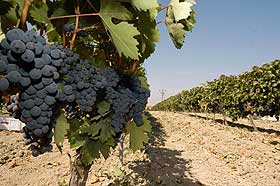
Uyurca boasts a mild microclimate and soil ideal for grapes. The villagers now produce about 500 tons of grapes annually, up from just 12 tons in their first harvest in 1996. It sells its entire production to Kavaklidere, Turkey's largest winemaker.

At one time, Christian Greeks and Armenians dominated the Turkish wine industry. When the empire collapsed after World War I, many left Turkey. Kavaklidere was founded by Turkish entrepreneurs in Ankara in 1929 and had the support of Mustafa Kemal Ataturk, president and founder of modern Turkey.

Today, Kavaklidere has a production capacity of 18.5 million liters and a 35% share of Turkey's registered wine market. It exports about 20 percent of its total production, mostly to Europe. Its best-selling wines are Kalecik Karasi, Okuzgozu and Narince.

Another major player is Doluca, which got a $15 million upgrade two years ago that resulted in a new winery with the latest winemaking technology. Doluca has an annual production of 10 million bottles, with Villa Doluca and Ozel Kav its leading labels.

The main hassles Turkish wineries are facing today are a large illegal liquor market, which is cutting into domestic sales of alcoholic beverages and an ever-increasing tax burden. Tax on wine has grown by more than 100% since the Justice and Development Party (AKP), an Islamic group, came to power in 2002. Tax on beer has risen by 50% and on raki, the most popular liquor, 26%.

The AKP says it has no plans to outlaw alcohol, insisting it only wants better regulation of the trade.

As to the quality of Turkish wines, the smaller, independent wineries turn out some interesting blends. Kavakladire's mass-market wines are a decent middle-of-the-road product. Noted wine writer Daniel Rogov offers his tasting notes on a fairly broad range of Turkish wines I have found helpful.

To Dowd's Spirits Notebook latest entry.
To Dowd's Wine Notebook latest entry.
To Dowd's Brews Notebook latest entry.
Back to Dowd's Bar Blog home page.

Russian official seeks ban on some wines


Gennady Onishchenko, head of Russia's State Sanitary Service, has proposed a ban on the import of wines from Georgia and Moldova, citing health concerns.

"I request that legal measures be taken to stop imports of wine and wine-making products from Moldova and Georgia and manufactured on the territory of these republics," Onishchenko said in a letter addressed to the head of the Federal Customs Service, according to the RIA Novosti news service.

There is nothing inherently wrong with wines from the two former Soviet Union republics. The problem lies in a growing market for low-quality, unregulated bootlegged wines being sold as high-end Georgian and Moldovan products.

Citing numerous violations of health regulations, Onishchenko suspended health and hygiene permits for wine imports from the two countries effective Monday. The ban will stay in effect, he said, until the violations are eliminated.

Hygiene authorities in Moscow have already suspended wine import permits because 60% of the wine imported from the two countries allegedly fails to meet health safety regulations and is stored without documents indicating that pesticides were used during the wine-making process.

To Dowd's Spirits Notebook latest entry.
To Dowd's Wine Notebook latest entry.
To Dowd's Brews Notebook latest entry.
Back to Dowd's Bar Blog home page.
20060325

A hardcore passion for wine


Francis Coppola. Fess Parker. Greg Norman. Madonna. Sting. Olivia Newton-John. Natalie Oliveros. The list of celebrities-turned-vintners, or at least hiring winemakers to produce their signature wines, is growing at a rapid clip.

By the way if you don't know who Greg Norman is but you do know who Natalie Oliveros is, well, we know something about you.

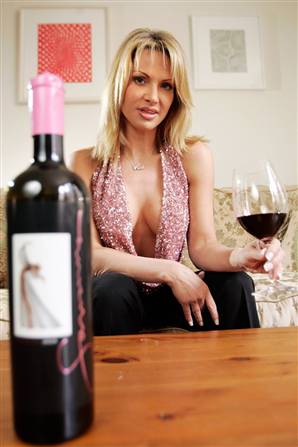
Oliveros (seen here) is better known to her fans as adult video actress Savanna Samson. But to the wine world, she's a serious member of the community because of her Savanna Sogno Uno ("Dream One" in Italian) wine. In fact, she has produced wines for the Vatican.

Oliveros/Samson, 31, is from Watertown in upstate New York. She's the star of "The New Devil in Miss Jones." Her new wine just received a score of 90-91 out of 100 from the phenomenally influential wine guru Robert Parker for her Italian red. On Parker's scale, a score of 90-95 describes "an outstanding wine of exceptional complexity and character."

The wine was developed under the hand of Roberto Cipresso, a noted Italian winemaker Oliveros recruited for her project. Her husband, a wine merchant in Italy, introduced her to Cipresso.

"I never wanted to just do gimmick. That would just happen with me being a porn star, me having a photographer shoot the label, how risque could I get on the label — all those things," Samson said in a media interview. "I knew I wanted Roberto to make my wine. I just love his passion."

The wine label is Savanna, with the Sogno Uno its premier item. It's a blend of Tuscan grapes -- 70% Cesanese, 20% Sangiovese, 10% percent Montepulciano.

To Dowd's Spirits Notebook latest entry.
To Dowd's Wine Notebook latest entry.
To Dowd's Brews Notebook latest entry.
Back to Dowd's Bar Blog home page.
20060320

Italians claim grape science breakthrough


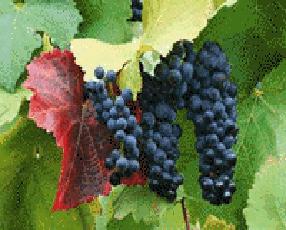
It might sound like a wild overstatement, but Italian scientists claim to have cracked the life code of the pinot noir grape plant, a breakthrough they say is to change the future of winemaking.

Experts from the San Michele all'Adige Agrarian Institute on Monday unveiled the results of six years of research in which they decoded the plant's genome -- the complex molecular chains that constitute each organism's unique genetic heritage, according to the ANSA news service.

"Today's event is agriculture's equivalent of the first moonwalk," said Riccardo Velasco, head of the team that decoded the DNA sequences. "Agriculture will never be the same again" .

Pinot noir, often known as pinot nero in Italy, is the first fruit and only the second food crop after rice to have its genetic material laid completely bare, ANSA reported.

Francesco Salamini, a former researcher with the Max Planck Institute and a member of the Institute's board, said the advance will lead to benefits for the environment because the information about the plant's gene sets will make it possible to produce new pesticides that protect it better but have less of an impact on the ecosystem.

ANSA said the research shows that the pinot noir genome is spread across 12 chromosomes and is made up of around 500 million bases of DNA. The institute, based in the northern Italian province of Trento, collaborated in the project with the US firm Myriad Genetics Inc., which has taken part in decoding human and rice genomes .

"It's a historic moment," said Mark Skolnick, Myriad's chief scientific officer. "Let's hope that next time we can toast with wine obtained from this research."

Pinot noir is a red grape used by winemakers everywhere. It is somewhat delicate, but is widely considered to produce excellent wines.

To Dowd's Spirits Notebook latest entry.
To Dowd's Wine Notebook latest entry.
To Dowd's Brews Notebook latest entry.
Back to Dowd's Bar Blog home page.

'Co-op' wines emerging in New York


Wineries at both ends of New York are creating what I like to call co-op wine.

Three Finger Lakes wineries have teamed up to create Tierce, a 2004 vintage dry riesling that will be released on May 5 at a dinner at the Red Newt Bistro featuring foods created by that restaurant along with Fox Run Bistro and Madderlake restaurant.

Peter Bell of Fox Run, Johannes Reinhardt of Anthony Road and David Whiting of Red Newt each contributed a portion of riesling wine, made from fruit grown on the slopes of Seneca Lake, to create 100 cases of a single wine. They also chose to use a screw cap closure because, as Bell said, "corks, natural or synthetic, have a tendency to affect the wine's aroma.

Down on Long Island, five winemakers have created Merliance, a 100% merlot blend with two barrels each from Pellegrini Vineyards, Raphael, Sherwood House Vineyards, Shinn Estate Vineyards, and Wolffer Estate Vineyard.

It will be unveiled on April 3 at Craft restaurant in Manhattan.

Meanwhile, also on the New York wine front, Chateau Buffalo is officially open for business.

The husband-wife team of Carl Schmitter and Suzi Maciejewski have created the first winery in Buffalo and Erie County, featuring their own dessert wines along with a selection of New York wines from various regions and many “Pride of New York” agricultural products such as jams and jellies, pickles, maple syrup, mustard, chutneys, etc.

To Dowd's Spirits Notebook latest entry.
To Dowd's Wine Notebook latest entry.
To Dowd's Brews Notebook latest entry.
Back to Dowd's Bar Blog home page.
20060315

Yakima Valley appellation split


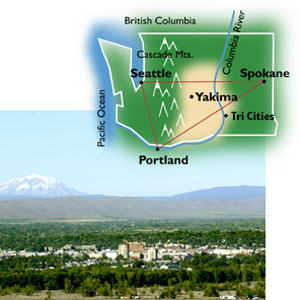
The Rattlesnake Hills, southeast of Yakima in central Washington, has become the state's ninth federally recognized wine grape-growing region.

The U.S. Tobacco Tax and Trade Bureau approved the Rattlesnake Hills for appellation status, effective March 20. The federal bureau awards appellation status to regions, also known as American Viticultural Areas, to recognize their distinct climate and soil features.

The 68,500-acre region lies within the Yakima Valley appellation, stretching from Union Gap, just south of Yakima, to north of Sunnyside about 45 miles to the east. Its loam soils hold moisture better than some other Washington areas and it historically is slightly warmer than the rest of the Yakima Valley appellation.

Gail Puryear, owner and winemaker at Bonair Winery in Zillah, and his wife, Shirley, were among proponents of the new appelation.

"We can ripen the warmest varieties, the sun-loving varieties like syrah and nebbiolo, but we have micro-climates because of the varying topography," he told the Associated Press. "Riesling does well in the cool micro-climates. We grow everything in between."

Dick Boushey, a Grandview grower who opposed the appellation request, told the AP the issue had become divisive in some corners. Half the 26 parties submitting comments to the government were opposed to the division of the current appellation.

"It just shows I don't really understand what it takes to be an AVA, and I guess I have a little bit less regard for what an AVA is," he said. "Whatever happens, we all need to work together. There probably will be more AVAs in the future, and I think we all want the same thing: to promote the area in any way we can."

If the application met all the criteria to be named an appellation, it just gives the Washington wine industry one more opportunity to market itself, said Robin Pollard, executive director of the Washington Wine Commission, a promotion agency funded by member fees on growers and wineries.

The Chelan area in north-central Washington and the Ancient Lake region near Moses Lake in central Washington have proposals for appellation status pending.

Washington is the No. 2 producer nationally of wine, after California. More than 350 wineries, 350 wine-grape growers and 30,000 vineyard acres support the more than $2.5 billion annual industry.

20060313

South Africa short on white wine


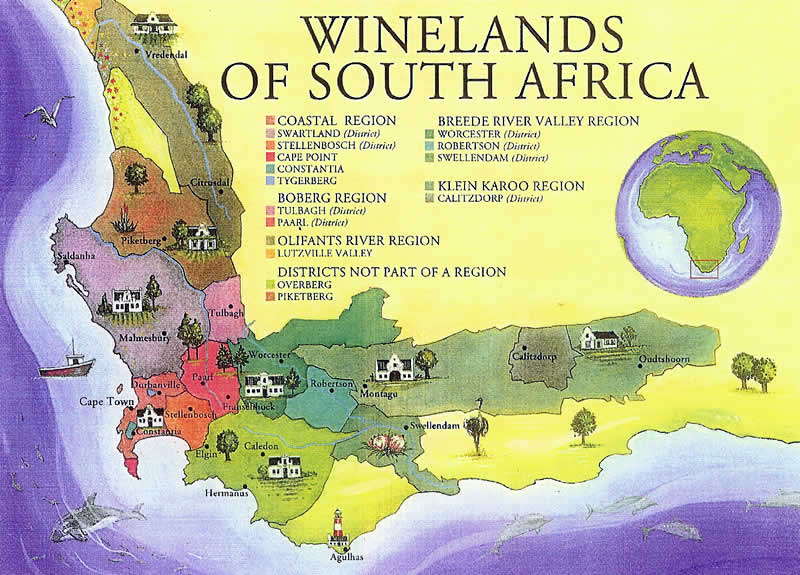
The glut of grapes in such major wine-producing areas as Australia and France certainly isn't being echoed in South Africa.

There is what industry analysts call "an acute shortage" of white wine in the Cape region, following last year's devastating drought after a surplus just three years ago.

This season's harvest is slightly better than the previous one, but still insufficient for domestic and export markets, leading to an increase in the already short supply of white wine.

Henk Bruwer, chairman of Wine Cellars South Africa, told SABC News, "We have to satisfy the demands of the local consumers and when you do that you have to make sure that you actually satisfy the trademark you are building, satisfy the palate and taste of the consumers. Don't let consumers down in a wine industry."

Because prices are determined by supply and demand, consumers are likely to have to pay more and wine sellers will have to import more as well.

To Dowd's Spirits Notebook latest entry.
To Dowd's Wine Notebook latest entry.
To Dowd's Brews Notebook latest entry.
Back to Dowd's Bar Blog home page.
20060311

U.S.-EU wine agreement signed


Winemakers in the U.S. and European Union got some protection for their practices and labeling Friday when the two entities signed an agreement to facilitate bilateral trade in wine valued at $2.8 billion annually.

The Office of the U.S. Trade Representative said the agreement actually was reached back in September after 20 years of negotiations but could not be finalized until the EU’s agricultural ministers granted approval, which came in December 2005.

Among key points:

• The U.S. agrees to curb the use of European geographic names such as "chianti" or "burgundy." Both sides agree to recognize certain names of origin such as Champagne in each other's market, simplifies certification requirements and defines parameters for optional labeling elements of U.S. wines sold in the EU market.

• The EU’s recognizes certain wine-making techniques used by U.S. vintners and a consultative process for accepting new wine-making practices. One of the major differences between U.S. and European vintners, for example, is the common use by Americans of oak chips to achieve a flavor European wine makers achieve by aging their wines in oak barrels.

The Europeans have long objected to the use by some U.S. winemakers of what some cal "semi-generic" labels, insisting they are specific to the regions in which the wines are made. Under Friday’s agreement, however, American wineries currently using them are exempted, something industry analysts speculate will continue to anger many European producers.

"Wine makers on both sides of the Atlantic have the right to be proud of how tradition, climate and expertise combine to create unique tasting experiences,” said Rob Portman, U.S. Trade representative. “This agreement honors these differences."

In 2004, global U.S. wine exports exceeded $736 million, with exports to the European Community more than $487 million, according to the USTR release. Total U.S. imports of wine from other countries in 2004 were nearly $3.4 billion, and U.S. imports from the European Community exceeded $2.3 billion.

To Dowd's Spirits Notebook latest entry.
To Dowd's Wine Notebook latest entry.
To Dowd's Brews Notebook latest entry.
Back to Dowd's Bar Blog home page.

20060309

Willy Frank dies at 80


Willy Frank, the outspoken New York winemaker who built on his immigrant father's belief that the Finger Lakes could become a major wine producer, is dead at the age of 80.

Frank died in his sleep during a business trip to Naples, FL., according to his son, Frederick.

Dr. Konstantin Frank, who fled Ukraine during World War II to come to the U.S., was one of the prime movers in planting delicate vinifera grapes. Willy took over in 1984 and moved the project well beyond those humble beginnings to create a successful, highly regarded company,Dr. Konstantin Frank Vinifera Wine Cellars, based on the shores of Keuka Lake.

More than half of New York's 212 wineries grow viniferas, which are rapidly replacing native labrusca and French-American hybrids that long gave the Finger Lakes a reputation for inexpensive, simple wines. Rieslings and gewurtztraminers have emerged as the most successful of the high-end grapes.

In addition to son Frederick, Frank is survived by his wife of 49 years, Margrit, his daughter, Barbara Guior of Summit, N.J., five grandchildren and two sisters.

To Dowd's Spirits Notebook latest entry.
To Dowd's Wine Notebook latest entry.
To Dowd's Brews Notebook latest entry.
Back to Dowd's Bar Blog home page.

20060308

Texas gets new viticultural area


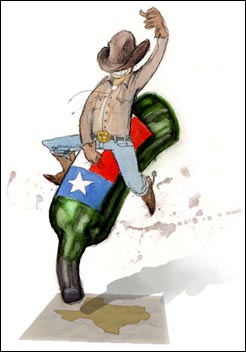
Texas has added a viticultural area to its arsenal: the Texoma American.

It's an area along the Texas-Oklahoma border where horticulturist Thomas Volney Munson began cultivating grapes more than a century ago in what he referred to as a "grape paradise."

The federal government has designated a 3,650-square-mile area of sandy hills sloping to the Red River and Lake Texoma as the viticultural area.

"I don't know if it's 10 years or 20 years or 100 years, but the (region) will fill in and we'll have several thousands of acres of grapes around here," said Gabe Parker, owner of the Homestead Winery in Ivanhoe. "The land is appropriate for it."

The number of wineries in the Texoma area has grown from two to six in the past three years, and there now are 225 acres dedicated to vineyards in the fledgling area.

Texas has 109 wineries statewide, up from just 40 in 2000 to 109 this year, according to the Texas Wine Marketing Research Institute at Texas Tech University. The wineries' output makes Texas the nation's fifth-largest wine producing state.

To Dowd's Spirits Notebook latest entry.
To Dowd's Wine Notebook latest entry.
To Dowd's Brews Notebook latest entry.
Back to Dowd's Bar Blog home page.
20060304

Canandaigua Wine Changes Name


Constellation Brands Inc.’s wine division has taken on the name Centerra Wine Co., dropping its original name, Canandaigua Wine Co.

The newly-named division, one of four under the Constellation umbrella, will keep its headquarters in Canandaigua, NY, near Rochester.

“We are extremely proud of our history, but we have changed dramatically with the addition of premium and super-premium wine brands to our portfolio,” Centerra president William Encherman said in a statement. “The time is right to embrace a new name that brings to life the broad spectrum of brands we now represent, while capturing in a contemporary way our commitment to craftsmanship and innovation.”

In 2004, Canandaigua acquired the Robert Mondavi Corp., and since has launched its 3 Blind Moose, Trove and ultra-premium Houghton brands. Under the restructuring and renaming, Centerra's portfolio now includes Ravenswood, Cook’s, Arbor Mist, Vendange, Inglenook, Paul Masson Brandy, Turner Road Vineyards, Talus, Papio, Covey Run, Ste. Chapelle, LaTerre, Vendange, Nathanson Creek, Inglenook, Almaden, Alice White, Monkey Bay, Taylor, Cribari, Wild Irish Rose and Manischewitz.

To Dowd's Spirits Notebook latest entry.
To Dowd's Wine Notebook latest entry.
To Dowd's Brews Notebook latest entry.
Back to Dowd's Bar Blog home page.

 

Mass. OKs Re-Corking by Restaurants


Massachusetts has joined several other states in allowing restaurant patrons to take home unused portions of their wine.

On Thursday, March 2, the commonwealth's Alcoholic Beverages Control Commission issued a temporary ruling that put the new re-corking law into effect. Restaurants will be required to re-cork the bottle and seal it in a transparent bag.

Reaction in the trade has, as expected, been mixed. Some restaurateurs dislike what they see as the inconvenience and the need to train staff to comply. Others think it will increase wine sales to people who normally would pass on buying wine because they don't want to finish an entire bottle before driving.

The new regulations also require the restaurant to supply a receipt showing the date of the meal, including the purchase of the wine. Patrons are limited to one bottle of uncorked wine each.

To Dowd's Spirits Notebook latest entry.
To Dowd's Wine Notebook latest entry.
To Dowd's Brews Notebook latest entry.
Back to Dowd's Bar Blog home page.
20060228

Napa Cabbage To the Tune of $1.87 Million


Cabernet sauvignons, which accounted for 129 of the 181 lots offered, dominated the Napa Valley Vintners' annual trade-only wine auction that pulled in $1.87 million.

Sixty-seven bidders bought 181 lots of wine, including five-case, 10-case and 20-case lots at the annual event, which raises funds to support the nonprofit group's efforts to promote and protect the Napa Valley, CA, brand. That represented a 10 percent jump in volume over the prior year, and overall nearly 1,200 cases were up for auction.

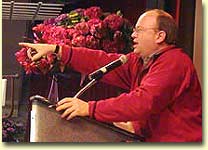
"This is our annual bake sale where we raise money for our association's programs," John Skupny, owner of St. Helena's Lang & Reed Wine Co. and co-chair of the event, told reporters.

More than 1,000 winemakers, restaurateurs, retailers and wine wholesalers attended the event, held at the Culinary Institute of America at Greystone. The top bidder was Gary Fisch, owner of Gary's Wine and Marketplace in New Jersey, who paid $220,500 for 16 lots totaling 115 cases.

Top lots sold included:

• Rombauer Vineyards ($85,000).
• Shafer Vineyards ($75,000).
• Silver Oak Cellars ($39,000).
• Paraduxx ($37,000).
• Beringer Vineyards ($35,000).
• Lewis Cellars ($32,000).

To Dowd's Spirits Notebook latest entry.
To Dowd's Wine Notebook latest entry.
To Dowd's Brews Notebook latest entry.
Back to Dowd's Bar Blog home page.
20060227

Ignoring Grapes May Help Aussie Wineries


Australia has been cursed with good grape crops for several years. The bumper crops have resulted in a glut on the market and overproduction of wine, which is depressing prices.

Now, a simple solution may be in the offing: a 7% reduction from the 2005 harvest if enough grapes are left to wither on the vine, according to the Australian Wine and Brandy Corp.

Lawrie Stanford, the corporation's information and analysis manager, told News.com.au, "The expected average yields would be viewed with some relief by many winemakers holding excess wine in stock. This will allow wine reserves to be reduced to more reasonable levels while the good quality grapes from the 2006 harvest will enhance Australia's competitiveness in vital overseas markets."

About 20 per cent of the 2006 harvest had been picked, predominantly white grapes and a small amount of red grapes.

To Dowd's Spirits Notebook latest entry.
To Dowd's Wine Notebook latest entry.
To Dowd's Brews Notebook latest entry.
Back to Dowd's Bar Blog home page.

20060221

Chinese Wine Taking Wing


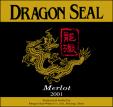
If you're in a major airport looking for an unusual last-second gift, you might think about a bottle of Dragon Seal wine.

Dragon Seal? Not exactly a household wine brand in the U.S., but the made-in-China wine is about to become available for the first time ever in some duty-free airport stores. Camus, the cognac distributor that also is the world's leading operator of tax-free shops, signed a 10-year contract with Dragon Seal to sell its wines in 50 of its duty-free outlets globally within six months.

The French company already has deals with top Chinese liquor companies Moutai, Gu Yue Long Shan and Chunghwa Cognac, a liquor jointly developed by Camus and a leading Chinese cigarette company. These liquors are already on Camus' store shelves. Among other wines, Camus will handle Dragon Seal's signature Osmanthus King wine.

Camus President Cyril Camus has had a long interest in China. His wife, Isabelle, is from China and he is fluent in Chinese. He told the China Daily that he likes Dragon Seal's use of only grapes grown in China.

"The company follows the French concept of one terroir, which is important to guarantee the consistent quality of wine," he said.

Terroir is a certain region belonging to a specific vineyard and sharing the same type of soil, weather conditions and winemaking savoir-faire.

By 2010, Dragon Seal hopes to export 18 per cent of its output annually. Its current foreign customer base now is in France, Germany and Belgium, but it is targeting Britain, Sweden, Denmark and Norway this year.

To Dowd's Spirits Notebook latest entry.
To Dowd's Wine Notebook latest entry.
To Dowd's Brews Notebook latest entry.
Back to Dowd's Bar Blog home page.
20060216

Brits Banning Smoking In Pubs, Elsewhere


If you're a smoker headed for England, enjoy lighting up in a pub, restaurant or any other public place for now. That activity will be banned in a year or less.

Parliament has voted, 384 to 184, for a total ban on smoking in indoor public places, something that will end the tradition of the smoky British pub.

Neighbor Ireland instituted the same ban in March 2004. The same will occur in Scotland and Northern Ireland over the next year, and factions in Wales are debating the issue.

Prime Minister Tony Blair's government had supported a partial ban that still would have allowed smoking in private members' clubs and pubs that do not serve food.

To Dowd's Spirits Notebook latest entry.
To Dowd's Wine Notebook latest entry.
To Dowd's Brews Notebook latest entry.
Back to Dowd's Bar Blog home page.
20060213

Wine Glut An EU Emergency


Wine may become a worldwide drink of choice just for its improving dollar value.

On top of Australian grape growers announcing a bumper crop that may further depress that nation's wine over-supply, a glut of European wine has caused the European Commission to call an emergency meeting to figure out what to do with the surplus.

The EU says there is a surplus of 4 billion bottles of wine, and it could grow if competition from what it calls "new world wines" continues cutting into European wineries' sales.

According to the London Sunday Telegraph, the 150 representatives at the summit will be asked to present options to avoid the unpopular practice distilling millions of bottles of cheap table wine into industrial alcohol in an effort to reduce supply and boost prices.

Some 3 billion bottles of wine last year were processed into industrial alcohol, but the price remained depressed, officials said.

European taxpayers subsidize the wine industry each year by up to $1.7 billion, the Telegraph said.

To Dowd's Spirits Notebook latest entry.
To Dowd's Wine Notebook latest entry.
To Dowd's Brews Notebook latest entry.
Back to Dowd's Bar Blog home page.

20060208

Idaho May Ease Shipping Restrictions


Legislation cleared an Idaho House panel on Tuesday that would allow out-of-state wineries to ship up to 24 cases a year directly to customers in the state for personal consumption as long as the wineries doing the shipping buy a $50 Idaho permit.

If approved, that would make Idaho the latest state to loosen up on direct wine shipping. The proposed process follows guidelines of the Wine Instititute, which represents 800 California wineries. Consumers buying wine under this method would not be allowed to re-sell it. That means restaurants, for example, would not be able to buy wines that way then sell them to customers. Plus, Idaho wine exporters would be subject to other states' laws.

The legislation now has been cleared to undergo full House-floor debate. If it passes, out-of-state wineries would pay Idaho sales and excise taxes on such transactions. That's about $250,000 annually. The state has not been collecting taxes on out-of-state wine sales. There would be no limit on wine bought directly from Idaho vineyards or wine-tasting rooms, and taken home by the purchaser.

And most Idaho wineries are too small to have their bottled beverages shipped through established distributors, Ron Bitner of Bitner Vineyards told the Associated Press.

"Once you get below 5,000 cases a year, it's hard" to get the interest of distributors, said Bitner (seen here with wife Mary), whose 12-acre, 1,000-case winery offers wines made from riesling, cabernet and syrah grapes. "You can't fill the distributor's pipeline. With the economies of scale, we need to be selling retail."

To Dowd's Spirits Notebook latest entry.
To Dowd's Wine Notebook latest entry.
To Dowd's Brews Notebook latest entry.
Back to Dowd's Bar Blog home page.

20060207

Maryland Wineries In Big Trouble


Come March 31, Maryland wineries will be prevented from directly selling their wines to retail stores and restaurants.

The impending ban, based on a ruling by the state comptroller's office, would financially threaten most of the state's 22 wineries, which rely on orders from retailers and restaurants and cannot afford to go through a distributor. Seventy percent of Maryland wines are distributed by the wineries to retail stores and restaurants, according to the Maryland Wineries Association.

"It's a death knell for the smallest wineries," said Kevin Atticks, association executive director.

He defines small wineries as those which produce fewer than 40,000 gallons of wine per year, which applies to 18 of the state's wineries.

The comptroller's administrative ruling, according to the Baltimore Business Journal, "is essentially an interpretation of existing Maryland law and not a new law, said Gerald Langbaum, counsel for the comptroller's office and a state assistant attorney general. Though Maryland wineries had been selling directly for years, a new interpretation of the law was required in response to a landmark U.S. Supreme Court decision in 2005, Langbaum said.

"The ruling declared that states could not favor their own wineries over out-of-state vintners with regards to the distribution of wine. 'No one wants to put anyone out of business,' Langbaum said."

The ruling also was issued in response to a lawsuit filed against the state in 2005. In it, a Pennsylvania winery and a Silver Spring, MD, resident alleged that Maryland's sales laws, which allow in-state wineries to sell directly to retailers and restaurants while preventing out-of-state wineries from doing so, violates the U.S. Constitution.

Maryland wineries can sell to consumers, retailers and restaurants. Out-of-state wineries must go through a distributor.

To Dowd's Spirits Notebook latest entry.
To Dowd's Wine Notebook latest entry.
To Dowd's Brews Notebook latest entry.
Back to Dowd's Bar Blog home page.
20060203

Fire Hits Napa's Oakville Winery


An historic wine cellar at the Silver Oaks Cellars' Oakville, CA, winery was destroyed by fire Thursday. Damage to the 7,000-square-foot facility was estimated in the millions of dollars.

Although the main part of the winery sustained only minor smoke and heat damage, the historic part of the structure that had been used to store wine barrels, marketing materials, merchandise and maintenance equipment, was heavily damaged.

"The firefighters did an amazing job to keep it from going to the main structure," said Capt. John Lovie of the California Department of Forestry. "The owners told us their loss was in the millions."

Officials believe the fire began in a Dumpster. The federal Bureau of Alcohol, Tobacco, Firearms and Explosives is assisting in the investigation. It took several hours for about 50 firefighters to extinguish the blaze.

To Dowd's Spirits Notebook latest entry.
To Dowd's Wine Notebook latest entry.
To Dowd's Brews Notebook latest entry.
Back to Dowd's Bar Blog home page.

20060202

Wine And A Movie


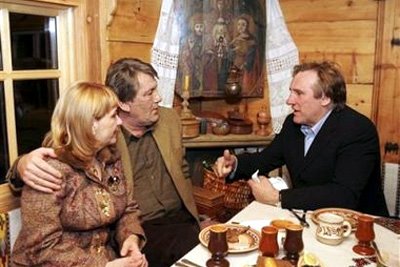
French movie star Gerard Depardieu has played many roles -- soldier, cardinal, chef, secret agent, musketeer -- but it is possible the role of winemaker may rival all those parts for the sheer passion he throws into the job.

Depardieu was in Kiev, capital city of Ukraine, to meet with President Viktor Yushchenko and his wife, Katerina, at their country house (seen here). The first order of business was to seal a deal to work with a Ukranian film studio on "Taras Bulba," a movie project about a Cossack chieftain who fought the Poles to regain his homeland. (Yul Brynner and Tony Curtis co-starred in a 1962 film of the same name.)

But Depardieu, a fairly well-known winemaker back in France, made no secret of his interest in Ukraine's Crimean vineyards, according to MosNews.com, and said he had brought a group of experts with him. They want to assess the possibility of producing wine with Ukrainian grapes and French technology.

To Dowd's Spirits Notebook latest entry.
To Dowd's Wine Notebook latest entry.
To Dowd's Brews Notebook latest entry.
Back to Dowd's Bar Blog home page.
20060118

Infestation Threatens N.Z. Vineyards


A root-destroying louse has been found in a New Zealand vineyard.

Martin Anderson, president of the Central Otago Winegrowers Association, said an infestation of phylloxera has caused vineyard owners to begin assessing what their management practices should be. Some, he said, will have to replant with phylloxera-resistant root stock.

The phylloxera pest nearly wiped out the European wine industry in the late 1800s. They overcame the threat by importing resistant American rootstocks and graft their vines on to them.


To Dowd's Spirits Notebook latest entry.
To Dowd's Wine Notebook latest entry.
To Dowd's Brews Notebook latest entry.
Back to Dowd's Bar Blog home page.

For Madonna, It's a Very Good Year


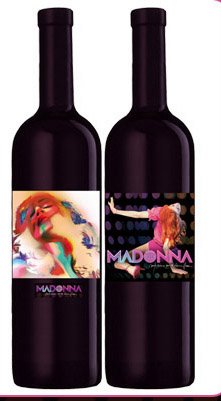
Madonna has made a career of reinventing her image. Her latest: winemaker.

The singer / dancer / actress / author / entrepreneur's wine will be sold in bottles carrying an image of her on the label along with a "certificate of authenticity," whatever that may be.

Four wines will be available, the most expensive of them a 2002 Cabernet Sauvignon selling for about $40 a bottle. The others are a pinot grigio and a barbera ($29 each)and a non-alcoholic "unwine" ($25 -- for a bottle of grape juice). The series of wines is labeled "Confessions On a Dance Floor." One of the images is taken from her 11th studio album of that name.

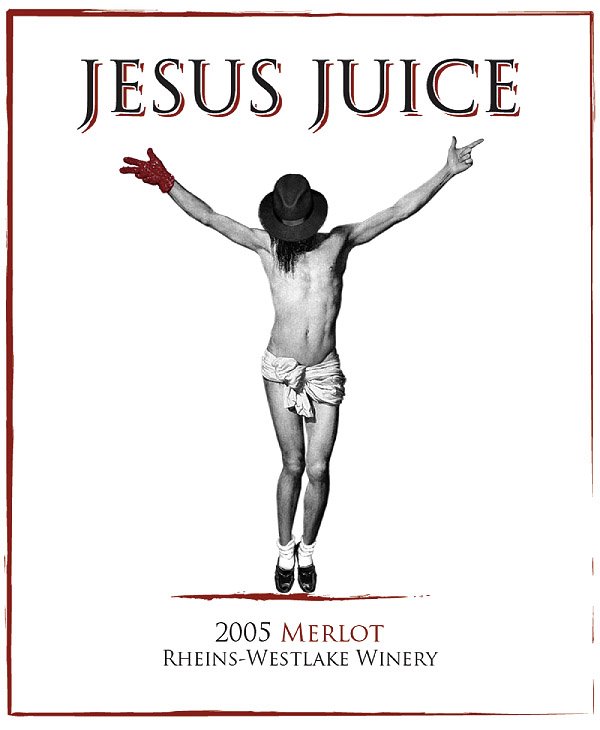
This may turn out to be a classier offering from the Queen of Pop than the "Jesus Juice" a California couple is trying to market with the King of Pop on the label.


To Dowd's Spirits Notebook latest entry.
To Dowd's Wine Notebook latest entry.
To Dowd's Brews Notebook latest entry.
Back to Dowd's Bar Blog home page.
20051216

Michigan Unties Winery Restrictions


Muddled wine is one thing. Muddled wine legislation is another. And, it seems to be the rule in the US of A.

While most states still are dealing with wading through a thicket of arcane rules on sales, shipment and the like, Michigan wineries (click here for a wine trail connection) now are allowed to ship their products directly to consumers in other states and consumers living in Michigan are allowed to receive items from out-of-state suppliers.

“It opens us up to becoming a national wine industry,” Donald Coe, president of the trade association WineMichigan, said after Gov. Jennifer Granholm signed legislation granting direct-shipping rights.

Coe, managing partner of Black Star Farms in Suttons Bay, MI, told the Associated Press, "I have 60,000 visitors a year, and fully 25 percent of them come from outside Michigan. Many of them have no access to our wines when they get back to their states because we’re such a small winery, we don’t have distribution in those states yet. They now have an opportunity to order the wines from us, and we can ship to them.”

Granholm signed the bills during an appearance in Traverse City, heart of northern Michigan wine country. Twenty of the state’s 42 wineries are in Grand Traverse and Leelanau counties. Michigan’s $75 million industry ranks ninth in the country in wine grape production, with a combined 1,300 acres.

The Supreme Court this year struck down Michigan’s policy of allowing only in-state wineries to ship directly to Michigan residents, saying it gave them an unfair competitive advantage. Under the new laws, any winery can send up to 1,500 cases a year to Michigan residents. But the laws continue to require out-of-state wineries to use a wholesaler to get their wines to Michigan restaurants and retailers, while in-state wineries can sell directly to those establishments.


To Dowd's Spirits Notebook latest entry.
To Dowd's Wine Notebook latest entry.
To Dowd's Brews Notebook latest entry.
Back to Dowd's Bar Blog home page.
20051213

Bad Times In Bulgaria


A bad grape harvest in Bulgaria has forced one of the Eastern European nation's top wineries to cut its output.

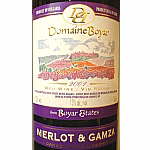
The Domaine Boyar winery, a 14-year-old operation, produces Domaine Boyar and Blueridge wines. The company also distills hard liquor, a segment of its business unaffected by the poor harvest, according to CEO Margarit Todorov.

The company is a leading producer and exporter of Bulgarian wines with sales of more than 5 million liters per year. It began as an agent for various Bulgarian wineries in export markets, particularly in Western Europe. In the mid-1990s, the process of privatization in Bulgaria as the government shifted from dictatorship to democracy changed the national economy.

Todorov and his partners created a strategy to gain direct control of production and the company became a wine producer as well as a sales agent. It has wineries in three cities. The Shumen operation will be most affected by the cutbacks.


To Dowd's Spirits Notebook latest entry.
To Dowd's Wine Notebook latest entry.
To Dowd's Brews Notebook latest entry.
Back to Dowd's Bar Blog home page.
Finally, Ice Wine From the North


Wisconsin doesn't routinely make people think about wine. But when they do, they're more inclined to make it ice wine.

Oddly enough, the northern state has been having trouble making ice wine for the past half-dozen years. The early winters have been too mild. Now, however, for only the second time in that span an early cold snap has allowed one Wisconsin vintner the chance to resume it.

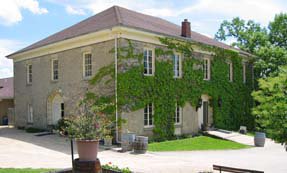
Wollersheim Winery (shown here) in Prairie du Sac has been producing ice wine since 1999, but this is only the first time it was able to make the true style -- from grapes harvested after freezing in the vineyard and then, while the grapes still are in a frozen state, pressing them into ice crystals.

Julie Coquard, Wollersheim vice president, told the Associated Press, "I know it doesn't seem much like harvest time, but this is exactly when the grapes for ice wine must be picked and pressed.''

Coquard said Wollersheim intends to continue increasing the crop and making Wisconsin (click here for a wine trail connection) ice wine a major part of its product line.


To Dowd's Spirits Notebook latest entry.
To Dowd's Wine Notebook latest entry.
To Dowd's Brews Notebook latest entry.
Back to Dowd's Bar Blog home page.
20051211

Wine Collection Cooked


It's a sure-fire recipe. For disaster.

Take one of the world's best wine collections, increase the heat from a constant 58 degrees to upwards of 120, then sit back and watch the fine wine turn to vinegar.

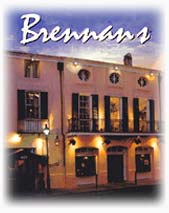
That's what happened to the wine cellar at Brennan's Restaurant in New Orleans, a victim of the Hurricane Katrina devastation. The cellar has held Wine Spectator magazine's Grand Award since 1983, and its 85,000-bottle collections has been rated among the 85 best in the world.

No more. The collection of such stars as an 1870 Lafite Rothschild, various Chateau Moutons and Chateau Margauxs, and dozens of other high-ticket wines is history.

"They may be drinkable, but they're probably better for salads," Ted Brennan, whose brother Jimmy spent 35 years building the collection, told The Washington Post.

The two-story collection -- doemstics on the first floor, imports on the second -- is housed in a former carriage house of the 18th Century French Quarter mansion that is home to Brennan's. When power was lost during the storm, the climate controls were rendered ineffective.


To Dowd's Spirits Notebook latest entry.
To Dowd's Wine Notebook latest entry.
To Dowd's Brews Notebook latest entry.
Back to Dowd's Bar Blog home page.
20051129

NY Wine & Culinary Center Picks Boss


CANANDAIGUA, N.Y. -- A tourism industry veteran has been selected to be the first executive director of the $7.5 million New York Wine & Culinary Center, for which ground was broken here in August.

Alexa Gifford spent more than five years with the Finger Lakes Tourism Alliance, most recently as president.

"The excitement is building for the opening of the New York Wine and Culinary Center, and naming an executive director is an important step," said Rob Sands, COO and president of Constellation Brands, and chairman of the NYWCC board. "Three months after breaking ground on the site, it is wonderful to begin to assemble a dedicated team of professionals to lead the center."

The center (shown in an artist's rendering above) is scheduled to open next summer on a plot of land next to Canandaigua Lake. Constellation Brands Inc., the Wegmans supermarket chain, Rochester Institute of Technology and the New York Wine & Grape Foundation partnered to establish the not-for-profit organization, which will be housed in the new 19,475 square-foot facility.

The project marks a major step in increasing the visibility of New York's wine industry to tourism and agribusiness interests. How significant the industry is to the state is shown in a just-released report from MKF Research, a consulting firm based in California but analyzing New York's situation.

With 31,000 acres of vineyards, 212 wineries and 1,384 grape farms, New York is the nation's second largest wine producer after California and the third biggest grape grower behind California and Washington.

Wineries, grape producers and related businesses in New York, from liquor stores to makers of bottles, glasses and labels, account for almost 36,000 jobs and a $1.3 billion payroll, the state-funded study reported.

In addition, it said that wine sales alone generate $420 million in sales, but the state industry's multiplier impact on the economy came to $3.4 billion in 2004.

A new state law that went into effect in August allows direct shipment of wines into and out of New York (click here for a wine trail connection) and is expected to provide a major boost in those numbers compared to what they were when New York's highly restrictive shipping laws were in force.


To Dowd's Spirits Notebook latest entry.
To Dowd's Wine Notebook latest entry.
To Dowd's Brews Notebook latest entry.
Back to Dowd's Bar Blog home page.

20051127

A Bi-Coastal Wine Effort


Noted Napa Valley winemaker Scott Harvey took with him more than just pleasant memories after recently helping judge the annual New York Wine & Food Classic in the Finger Lakes.

Harvey, right, purchased a batch of Riesling grapes to be shipped by refrigerated truck from the Anthony Road Wine Co. on Seneca Lake to use in creating his own Riesling wine back in St. Helena, CA.

Harvey has long been impressed with "the quality and consistency of Finger Lakes Rieslings."

A Riesling has won the top award -- the Governor's Cup -- in the New York competition in six of the last eight years. This year's winner, however, was a 2004 Vidal Ice Wine from Casa Larga Vineyards that also was voted “Best Dessert Wine” and “Best Ice Wine” en route to the ultimate award.

I lunched with Harvey at the winemaker's quarters in August of 2003 when he was the winemaker at the Folie a Deux vineyard near Napa. At that point he had branched out with a sideline of his own wines en route to his current independent status. Even then he was enamored of the Finger Lakes Rieslings and mentioned his desire to create his own version.

Harvey comes by his fondness for German-style wines honestly. As an Army "brat," he lived with his family in Germany during his formative years and returned there for an education in winemaking.

Ever since noted wine writer Dan Berger annointed him one of California's best winemakers in the 1990s, anything Harvey does attracts attention. His bi-coastal Riesling should be the next such item.

According to Jim Trezise, head of the New York Wine & Grape Foundation, Harvey and John Martini of Anthony Road will unveil the Napa and Finger Lakes versions of Riesling from the same vineyards during the Unified Symposium in Sacramento in late January.


To Dowd's Spirits Notebook latest entry.
To Dowd's Wine Notebook latest entry.
To Dowd's Brews Notebook latest entry.
Back to Dowd's Bar Blog home page.

20051125

No End Seen To Aussie Wine Glut


Consumers who have been taking advantage of depressed Australian wine prices caused by oversupply can look forward to more of the same.

The latest forecast by the Australian Wine and Brandy Corp. (AWBC) says the excess can last another five years because of a succession of above-average grape yields.

AWBC spokesman Lawrie Stanford said that while the imbalance of supply and demand may not ease before 2010, the industry has already responded to the problem by reducing plantings.

"We're not actually adding to the production significantly but we do have this stock overhang and we need to move it into the markets which currently exist," he said. "Our estimates are that over time, those markets can absorb this, but in addition to this we need to be developing new markets also."

One example of another way to cut into the glut is being seen with McGuigan Simeon Wines. Its report to shareholders says the company will suspend some wine grape grower contracts as a result of the oversupply.

Managing Director Brian McGuigan (above) told shareholders at the annual general meeting in Sydney that the company would prefer to no longer be a purchaser, but a partner with grape growers in wine production to share the risks and benefits over the long-term.

Meanwhile, a Wine Industry Outlook conference in Adelaide was told that slowing exports and a grape glut could see supply outstripping demand until 2010.

Lawrie Stanford, the Australian Wine and Brandy Corp.'s information and analysis manager, said while the red wine grape surplus was likely to ease, white wine grape oversupply would last at least two year: "It's anticipated that the rate of export growth will slow as Australia works off a larger base and competition from overseas wine producers intensifies."


To Dowd's Spirits Notebook latest entry.
To Dowd's Wine Notebook latest entry.
To Dowd's Brews Notebook latest entry.
Back to Dowd's Bar Blog home page.

20051122

Massachusetts Wine Bill Vetoed


Backers of moves to lessen restrictions on interstate wine shipments may have been disappointed yesterday when Massachusetts Gov. Mitt Romney vetoed a bill that would have placed new regulations on wine shipments via mail.

Despite its passage by both houses of the state legislature, Romney said the legislation protected existing liquor distributors in Massachusetts rather than helping consumers.

Massachusetts (click here for a wine trail connection) consumers would have been able to buy wine from out-of-state vineyards, although their choices would have been restricted. It also would prohibit shipments by wineries producing in ex cess of 30,000 gallons a year if they had been represented by a liquor wholesaler in the state.

"This bill does not give wine lovers the opportunity to purchase the bottlings they want," Romney said in a statement. "It creates artificial barriers to protect Massachusetts wholesalers at the expense of a free market."

The Supreme Court ruled several months ago that a number of states, Massachusetts among them, had to treat in-state and out-of-state wine purchases by mail equally. Under current state law, only local wineries could ship by mail.


To Dowd's Spirits Notebook latest entry.
To Dowd's Wine Notebook latest entry.
To Dowd's Brews Notebook latest entry.
Back to Dowd's Bar Blog home page.
20051116

Globally Speaking, the Best Wines Are Chosen

Photo by William M. Dowd


The results are in from the 2005 International Wine & Spirit Competition and the gleam in the eyes of numerous winemakers is a reflection of the gold medals.

The best-in-class golds, as opposed to the standard gold medals, for wines went to, in alphabetical category order (any classes not listed received no best-in-class golds):

AC Rouge Anjou-Loire:Château La Variere Anjou Villages Brissac AOC Prestige 2003.

Amarone della Valpolicella DOC-Veneto 2000: Amarone Della Valpolicella DOC Classico 2000 "Campo Del Titari" (Italy).

Barolo-DOCG, Piedmonte, 1999: Ca'Radice Argante Barolo DOCG 1999 (Italy).

Blended Red Wine/Australia: Haan Wilhelmus Barossa Valley 2002.

Blended Red Wine, Cabernet Dominated/Coastal Region: Boschendal Grand Reserve 2001 (South Africa).

Blended Red Wine, Cabernet Dominated/Stellenbosch 2001: Vergelegen Red 20091.

Blended Red Wine, Shiraz Dominated/South Africa: Guardian Peak SMG 2003.

Botrytis Riesling, King Valley/Australia: Brown Brothers Family Reserve Noble Riesling 1999.

Bottle Fermented Sparkling Wine, Chardonnay/Pinot Noir, England, Vintage: Ridgeview Merret Bloomsbury 2002.

Bottle Fermented Sparkling Wine, Rose/New Zealand, NV: Lindauer Rosé NV.

Bottle Fermented Sparkling Wines, NV, Pinot Noir-Chardonnay/New Zealand: Deutz Marlborough Cuvée.

Bottle Fermented Sparkling Wines/New Zealand, Chardonnay, NV: No. 1 Family Estate Cuvee No 1 NV.

Cabernet Sauvignon, Blend/Chile: Vina Sena 2001.

Cabernet Sauvignon, Clare Valley, Australia, 2001: 2001 St Andrews Cabernet Sauvignon by Wakefield Wines (Taylors Wines of Australia).

Cabernet Sauvignon, Coastal, Australia: Longridge Cabernet Sauvignon 2002.

Cabernet Sauvignon, Coonawarra, Australia, 2000: Katnook Estate Odyssey 2000 Cabernet Sauvignon.

Cabernet Sauvignon, Coonawarra, Australia, 2001: Parker Terra Rossa First Growth 2001.

Cabernet Sauvignon, Hunter Valley, Australia: McGuigan Personal Reserve Cabernet 2000.

Cabernet Sauvignon, Maipo Valley, Australia, 2002: De Martino Gran Familia Cabernet Sauvignon 2002.

Cabernet Sauvignon, Maipo Valley, Australia, 2004: Vina Maipo Reserva Cabernet Sauvignon 2004.

Cabernet Sauvignon, Margaret River, Australia, 2003: Moss Wood 2003 Amy's Blend Cabernet Sauvignon.

Cabernet Sauvignon, Stellenbosch, 1999: Asara 1999 Bell Tower Estate Wine Cabernet Sauvignon.

Cabernet Sauvignon/Merlot, Stellenbosch: Jordan Cobblers Hill 2002 Cabernet Merlot.

Champagne, Non Vintage, Blanc de Blancs: Piper-Heidsieck Brut Divin NV Blanc de Blancs.

Champagne, Prestige Cuvée, 1983, Blanc de Blancs: Charles Heidsieck Blancs Des Millenaires 1983.

Champagne, Prestige Cuvée, 1985: Champagne Charlie 1985 and Charles Heidsieck Champagne Charlie 1985.

Champagne, Prestige Cuvee, 1988: Krug Vintage.

Champagne, Prestige Cuvée, 1995, Blanc de Blancs: Charles Heidsieck Blanc Des Millenaires 1995.

Champagne, Prestige Cuvee, 1996: Moet & Chandon Dom Perignon.

Champagne, Prestige Cuvee, 1996, Blanc de Blancs: Lanson Noble Cuvée Blanc De Blancs.

Champagne, Prestige Cuveé, Non Vintage, Pinot Noir Dominated: Krug Grande Cuvée Brut NV.

Champagne, Prestige Cuvee, Vintage, 1993, Blanc de Blancs: Champagne de Venoge Grand Vin des Princes 1993.

Champagne, Vintage, Blanc de Blancs, 1995: De Saint Gall Cuvee Orpale 1995.

Champagne, Vintage, Blanc de Blancs, 1998: Champagne Jacquart Brut Mosaique Blanc de Blanc Vintage 1998.

Champagne, Vintage, Blends, 1989: Charles Heidsieck Millesime 1989.

Champagne, Vintage, Blends, 1996: Champagne Duval-Leroy Vintage 1996.

Champagne, Vintage, Blends, 1998: Piper-Heidsieck Millesime 1998.

Champagne, Vintage, Pinot Noir/Pinot Meunier/Chardonnay, 1995: Champagne de Venoge Vintage 1995.

Chardonnay, Adelaide Hills, Australia: K1 by Geoff Hardy Chardonnay 2003.

Chardonnay, Russian River, Valifornia: Sonoma Cutrer "The Cutrer" Chardonnay 2002.

Chardonnay, Stellenbosch: Rustenberg Chardonnay Stellenbosch 2003.

Chardonnay, Western Cape, 2004: Rozier Bay Chardonnay.

Chateauneuf du Pape, Rhone: La Solitude Secrete 2001.

Chianti Classico, 2000: Nozzole "La Forra" Chianti Classico Riserva DOCG 2000.

Chianti Classico DOCG, 2001: Dievole Dieulele 2001 Chianti Classico Riserva DOCG.

Chianti Classico DOCG, 2003: Castello Vicchiomaggio Riserva La Prima Chianti Classico DOCG 2003.

Cotes de Beaune, Burgundy: Corton Clos Du Rois Domaine Pousse D'Or 2001.

Douro, DOC, 2001: Douro Doc Roriz Reserva 2001.

Ice Wine, Riesling, Okanagan Valley: Inniskillin Riesling Icewine Dark Horse Vineyard 2003.

Ice Wine, Vidal, Niagara Peninsula: Jackson-Triggs Vintners Proprietors Reserve Vidal Icewine 2003.

Malbec/Merlot Blend, Mendoza: Bodegas Trapiche Islay 2002.

Montepulciano d'Abruzzo DOC, Abruzzo: Tre Saggi Montepulciano d'Abruzzo 2002.

Noble Late Harvest, Riesling, Stellenbosch, 2004: Neethlingshof Lord Neethling Weisser Riesling Noble Late Harvest 2004.

Pinotage, Stellenbosch, 2003: Simonsig Pinotage Rootil 2003.

Pinotage, Stellenbosch, 99/98: Kanonkop Pinotage 1998.

Quarts de Chaume, Chenin Blanc, Botrytis: Château La Variere AOC Quarts De Chaume "Les Guerches" 2003.

Riesling, Auslese, Rheingau: Johannisberger Klaus Riesling Auslese 2003.

Riesling, Eiswein, Pfalz: Winfried Freyu Soehne Riesling Eiswein 2003.

Riesling, Great Southern Australia: Tesco Finest Great Southern Riesling 2003.

Riesling, Western Australia: Goundrey Wines Reserve Riesling 2004.

Sake, 15.5-16%: Junmai Daiginjo "Kuro no Mu" Sake.

Sake, 17-18%: Junmai-Daiginjo "Hakkoda-Oroshi" 2004.

Sauvignon Blanc, Casablanca Valley, 2002/2003: Yali Gran Reserve Sauvignon Blanc 2003.

Sauvignon Blanc, Casablanca Valley, 2004: Casa del Bosque Sauvignon Blanc 2004.

Sauvignon Blanc, Constantia: Steenberg Sauvignon Blanc Reserve 2003.

Sauvignon Blanc, Marlborough, 2004: Saint Clair Wairau Reserve Sauvignon Blanc 2004.

Semillon, Hunter Valley: McWilliams Mount Pleasant Elizabeth Sémillon 2000.

Shiraz, Adelaide Hills: Wolf Blass Platinum Label Shiraz 2001.

Shiraz, Barossa Valley, 2002: Wolf Blass Platinum Label Shiraz 2002.

Shiraz, Clare Valley, 2002: Jim Barry, The Armagh Clare Valley Shiraz 2002.

Shiraz, Coonawarra, 2002: 2002 Penley Estate Special Select Shiraz.

Shiraz, Heathcote: Heathcote Estate Shiraz 2003.

Shiraz, McLaren Vale, 2002: Wirra Wirra RSW Shiraz 2002.

Shiraz, McLaren Vale 2003: Pertaringa Undercover Shiraz 2003.

Shiraz, South Australia: Henschke Mount Edelstone 2002 Shiraz.

Shiraz, South Australia, 2002: Kilikanoon "Oracle" Shiraz 2002 and Wolf Blass Grey Label Shiraz 2002.

Shiraz, South Eastern Australia, 2002: Penfolds Bin 28 Kalimna Shiraz 2002.

Shiraz, Stellenbosch, 2003: Mount Rozier Shiraz 2003.

Shiraz, Victoria, 2002: Brown Brothers Patricia Shiraz 2002.

Shiraz, Yarra Valley, 2003: Yering Station Reserve Shiraz/Viognier 2003 and Yering Station Reserve Shiraz/Viognier 2003.

Silvaner, Eiswein, Franken: Franconia Silvaner Eiswein Nordheimer Vögelein 2002.

Tank Fermented Sparkling Wine, Brachetto d'Aqui: F.lli Dezzani Brachetto D'Aqui DOCG 2004.

Tokaji 6 Puttonyos: Tokaji Aszu 6 Puttonyos.

Touriga Nacional, Alentejo: Hans Kristian Jorgensen Touriga Nacional Cortes de Cima 2003.

Trockenbeernauslese, Austria: Lenz Moser Prestige Trockenbeeren Auslese 2002.

Vin Santo, Italy: Tenute Silvio Nardi Vin Santo Val D'Arbia 1995.

Viognier, Victoria: Zilzie Estate Viognier 2004.


To Dowd's Spirits Notebook latest entry.
To Dowd's Wine Notebook latest entry.
To Dowd's Brews Notebook latest entry.
Back to Dowd's Bar Blog home page.

20051115

Scotland Gets First Food & Wine Center


DUNDEE, Scotland -- Scotland's first food and wine center will open in early December, perhaps as a pilot project for a nationwide push for more such centers.

The Tasting Rooms, as the center will be called, was created by Scott's Wine World, a Dundee wine importer.

The center will be international in scope, offering virtual wine tours, a deli, café, wine trading floor, corporate conference facilities and an art gallery. Director Graeme Scott said inspiration for the project came from visits to the wine warehouses of Australia and Hong Kong.

"There's a lot of investment here at the moment and the timing is just right," Scott said, explaining why Dundee was selected as the initial Scottish site.

Events planned for The Tasting Rooms include specialized dinners pitched at the corporate market and featuring wine producers and celebrity chefs.

SCOTLAND ON THE WEB
• Scotland.com
• BBC Scotland Travel Guide
• Bus & Coach Travel
• Scotland's Golf Courses
• Scottish Tourist Board
• The Clans of Scotland
• Scottish History & Culture
• Distillery tours, tastings, information


To Dowd's Spirits Notebook latest entry.
To Dowd's Wine Notebook latest entry.
To Dowd's Brews Notebook latest entry.
Back to Dowd's Bar Blog home page.

20051112

Pennsylvania Loosens Ties On Wine Sale


After sticking with its Prohibition-era restrictions on wine sales for generations, Pennsylvania will end its ban on Internet and mail-oder shipments.

The change comes about because a judge overturned the ban. Out-of-state wineries now will be allowed to ship directly to Pennsylvania residents rather than having to sell only through state-owned stores. That change leaves Utah as the only state with total control over wine and liquor sales.

Pennsylvania (click here for a wine trail connection) is No. 5 nationally in the number of wineries, behind California, Washington, New York and Oregon. Its wineries now rely on direct sales from tasting rooms, mailing lists and over the Web to compete with larger rivals in other states.

There are 24 states that prohibit direct-to-consumer shipping of wine. Thirteen, including California, allow the direct shipping of wine to another state that allows the same privilege.

A bill now before the state legislature in Massachusetts, where wine shipment restrictions recently were overturned by a court, would allow consumers to purchase wine online or over the telephone and have it shipped directly to them. The bill seeks to allow wineries which produce 30,000 gallons or less of their product per year to take orders and ship wine directly to their consumers. But some lawmakers oppose the legislation because of the requirement that only smaller wineries can do direct shipments, and that it discriminates between larger and smaller wineries.


To Dowd's Spirits Notebook latest entry.
To Dowd's Wine Notebook latest entry.
To Dowd's Brews Notebook latest entry.
Back to Dowd's Bar Blog home page.
20051110

Gold Strike In New Zealand


Judges in this year's prestigious Air New Zealand Wine Awards competition were anything but reluctant to go gold.

A record 97 gold medals were awarded from among 1,550 sampled.

Chairman of judges Brent Marris said the Sauvignon Blanc class in particular was strong this year."

"Ripe crops and better fruit handling in the 2005 vintage contributed to the high number of gold medals; these are the absolute world benchmark for the style," he said.

CATEGORY FINALISTS

Esvin Champion Sauvignon Blanc Trophy

  • Astrolabe Wines Ltd Marlborough Sauvignon Blanc 2005

  • Blind River Wines Ltd Sauvignon Blanc 2005

  • Cardmember Matua Innovator Ponder Vineyard Marlborough Sauvignon Blanc 2005

  • Cardmember Ponder Marlborough Sauvignon Blanc 2005

  • Coopers Creek Vineyard Marlborough Sauvignon Blanc 2005

  • Gunn Estate Skippers Pool Sauvignon Blanc 2005

  • Jules Taylor Wines Sauvignon Blanc 2005

  • Kim Crawford SP Marlborough Sauvignon Blanc, Spitfire 2005

  • Matua Valley Paretai Sauvignon Blanc 2005

  • Mt Olympus Tuatara Bay Sauvignon Blanc 2005

  • Mudhouse Winery White Swan Sauvignon Blanc 2005

  • Saint Clair Estate Wines Marlborough Sauvignon Blanc 2005

  • Saint Clair Estate Wines Pioneer Block 1 Sauvignon Blanc 2005

  • Saint Clair Estate Wines Pioneer Block 2 Sauvignon Blanc 2005

  • Tohu Wines Ltd Mugwi Sauvignon Blanc 2005

  • Waipara Hills Wine Estates Marlborough Sauvignon Blanc 2005

  • Wairau River Wines Sauvignon Blanc 2005

  • Whitehaven Whites Bay Sauvignon Blanc 2005


  • O-I New Zealand Champion Chardonnay Trophy

  • CJ Pask Winery Reserve Chardonnay 2004

  • Cape Campbell Reserve Limited Edition Chardonnay 2004

  • Esk Valley Estate Reserve Chardonnay 2004

  • Gunn Estate Skeetfield Chardonnay 2004

  • Highfield Estate (1991) Limited Marlborough Chardonnay 2002

  • Koblefield The Distinction Chardonnay 2004

  • Kim Crawford Tietjen Gisborne Chardonnay 2005

  • Landmark Estate Wines Ltd Chardonnay (Earls) 2004

  • Montana Terrior Stuart Block Gisborne Chardonnay (Patutahi) 2004

  • Montana Terroir Waihirere Gisborne Chardonnay (Ormond) 2004

  • Morton Estate White Label Hawkes Bay Chardonnay 2002

  • Mudhouse Winery White Swan Chardonnay 2004

  • Northrow Chardonnay 2004

  • Saint Clair Estate Wines Omaka Reserve Chardonnay 2003

  • Summerhouse Chardonnay 2004

  • Vidal Wines Reserve Hawkes Bay Chardonnay 2004

  • Villa Maria Estate Reserve Barrique Fermented Chardonnay 2004

  • Villa Maria Estate Reserve Marlborough Chardonnay 2004

  • Villa Maria Estate Single Vineyard Waldron Chardonnay 2004

  • Villa Maria Estate Reserve Marlborough Chardonnay 2003

  • W5 Chardonnay 2004

  • Wither Hills Chardonnay 2003


  • Nissan New Zealand Limited Champion Sparkling Wine Trophy

  • Hunters Wines Miru Miru 2002

  • Palliser Estate Methode Traditionelle 2001


  • Air Sea Global Champion Pinot Noir Trophy

  • Capricorn Wines Struggler's Flat Pinot Noir 2004

  • Fairhall Downs Estate Wines Pinot Noir 2004

  • Fairmont Estate Block One Pinot Noir 2004

  • Mount Riley Winemakers Selection Pinot Noir 2004

  • Northrow Pinot Noir 2003

  • Palliser Estate Pinot Noir 2004

  • Terrace Heights Estate THE Pinot Noir 2004

  • Vidal Wines Estate Marlborough Pinot Noir 2004

  • Villa Maria Estate Cellar Selection Pinot Noir 2004

  • Villa Maria Estate Reserve Pinot Noir 2004

  • Villa Maria Estate Single Vineyard Taylors Pass Pinot Noir 2004

  • Waipara Springs Pinot Noir Reserve 2003


  • Label and Litho Champion Gewurztraminer Trophy

  • Allan Scott Wines & Estates Ltd Gewurztraminer 2005

  • Corbans Private Bin Hawke's Bay Gewurztraminer 2004

  • Hunters Wines Gewurztraminer 2005

  • Lawson's Dry Hills Gewurztraminer 2004

  • Villa Maria Estate Cellar Selection Gewurztraminer 2005


  • Dish magazine Champion Pinot Gris Trophy

  • Astrolabe Wines Ltd Pinot Gris 2005

  • Kathy Lynskey Wines Ltd Single Vineyard Pinot Gris 2005

  • Lawson's Dry Hills Pinot Gris 2005

  • Triplebank Awatere Valley Pinot Gris 2005

  • Villa Maria Estate Single Vineyard Seddon Pinot Gris 2005


  • AMPM Marketing Limited Champion Riesling Trophy

  • Cardmember Delta Marlborough Riesling 2005

  • Cardmember Hunter's Stoneburn Marlborough Riesling 2004

  • Cardmember Kahurangi Estate Heaphy Series Moutere Riesling 2004

  • Coopers Creek Vineyard Marlborough Riesling 2005

  • Forrest Estate Dry Riesling 2002

  • Grove Mill Marlborough Riesling 2004

  • Hunters Wines Riesling 2004

  • Soljans Wines Riesling 2005

  • Villa Maria Estate Cellar Selection Riesling 2004

  • Villa Maria Estate Cellar Selection Seddon Riesling 2002


  • BDO Spicers Champion Other White Varieties Trophy

  • Cardmember Cooper's Creek Limited Release Gisborne Viognier 2005

  • Coopers Creek Vineyard Gisborne Viognier 2005


  • Marlborough Bottling Company Champion Medium Sweet or Sweet Wine Trophy

  • Canterbury House Noble Riesling 2004

  • Villa Maria Estate Reserve Noble Riesling 2004


  • Hort Research Champion Rose or Blush Trophy

  • Esk Valley Estate Black Label Merlot/Malbec/Rose 2005


  • Huka Lodge Champion Merlot Trophy

  • Capricorn Wines One Tree Merlot 2004

  • Mills Reef Elspeth Merlot 2004

  • Villa Maria Estate Private Bin Merlot 2004

  • Villa Maria Estate Reserve Merlot 2002


  • Fruitfed Supplies Champion Merlot Predominant Blend Trophy

  • Capricorn Wines Red Rock Gravel Pit Red 2004

  • Esk Valley Estate Black Label Merlot/Cabernet Sauvignon/Malbec 2004

  • Karikari Estate Merlot Malbec Cabernet 2004

  • Mills Reef Reserve Merlot Malbec 2004

  • Matua Valley Ararimu Merlot/Syrah/Cabernet Sauvignon 2002

  • Mills Reef Reserve Merlot Cabernet Syrah 2001

  • Vidal Wines Reserve Hawkes Bay Merlot/Cabernet Sauvignon 2002

  • Vidal Wines Reserve Hawkes Bay Merlot/Cabernet Sauvignon 2000


  • Carter & Associates Champion Cabernet Sauvignon or Predominant Blend Trophy

  • Kingsley Estate Gimblett Road Reserve 2004

  • Mission Estate Winery Reserve Cabernet Sauvignon 2004

  • Newton Forrest Cornerstone Cabernet/Merlot/Malbec 2002


  • Business World Travel Champion Syrah Trophy

  • Bridge Pa Vineyard Hawke's Bay Syrah 2004

  • Capricorn Wines Red Rock The Underarm Syrah 2003

  • Unison Vineyard Ltd Syrah 2004


  • To Dowd's Spirits Notebook latest entry.
    To Dowd's Wine Notebook latest entry.
    To Dowd's Brews Notebook latest entry.
    Back to Dowd's Bar Blog home page.

    20051108

    Beat It


    It was only a matter of time.

    All the giggling inspired by trial testimony about Michael Jackson's use of something he called "Jesus Juice" -- essentially, wine he put in a soft drink can and allegedly gave to underage boys -- may pay off for a pair of Los Angeles entrepreneurs.

    Dawn Westlake, an actress/producer/writer of things you've probably never heard of ("A Day Without a Mexican," "Fake Stacy," "Dottie: The Little Girl With the Big Voice"), and Bruce Rheins, who oversaw the Jackson trial coverage for CBS, are seeking a trademark for a wine they want to produce, called "Jesus Juice."

    The label, shown here, portrays a Jackson-like image in a crucifixion pose. Although the couple came up with the idea last year, it wasn't until now that they submitted the label to the U.S. Trademark & Patent Office for consideration.

    Right now, Westlake and Rheins seem to be concentrating more on the name and the label than on what they will put in the bottles. Two of their Web sites are advertising for a merlot maker (preferably "a vintner with a sense of humor, but a seriously good line of wines") or someone to purchase the "Jesus Juice" trademark rights.


    To Dowd's Spirits Notebook latest entry.
    To Dowd's Wine Notebook latest entry.
    To Dowd's Brews Notebook latest entry.
    Back to Dowd's Bar Blog home page.
    20051107

    Red wine helps combat Alzheimer's

    Photo by William M. Dowd


    The health-enhancing properties of wine are common knowledge these days -- lowering blood pressure and cholesterol levels, promoting cardiac health, de-stressing the imbiber, and so on.

    Now, a study just published in the Journal of Biological Chemistry shows that resveratrol, a compound found in grapes and red wine, lowers the levels of the amyloid-beta peptides that cause the senile plaques of Alzheimer's disease.

    "Resveratrol is a natural polyphenol occurring in abundance in several plants, including grapes, berries and peanuts," explains study author Philippe Marambaud. "The polyphenol is found in high concentrations in red wines. The highest concentration of resveratrol has been reported in wines prepared from Pinot Noir grapes. Generally, white wines contain 1% to 5% of the resveratrol content present in most red wines."

    Philippe Marambaud and colleagues at the Litwin-Zucker Research Center for the Study of Alzheimer's Disease and Memory Disorders in Manhasset, Long island, NY, administered resveratrol to cells that produce human amyloid-beta and tested the compound's effectiveness by monitoring amyloid-beta levels inside and outside the cells. They found that levels of amyloid-beta in the treated cells were much lower than those in untreated cells.

    Conclusion: The researchers believe the compound stimulates the degradation of amyloid-beta peptides by the proteasome, a barrel-shaped multi-protein complex that can specifically digest proteins into short polypeptides and amino acids.

    That doesn't mean, however, that eating grapes will cure Alzheimer's disease.

    "It is difficult to know whether the anti-amyloidogenic effect of resveratrol observed in cell culture systems can support the beneficial effect of specific diets such as eating grapes," Marambaud said. "Resveratrol in grapes may never reach the concentrations required to obtain the effect observed in our studies. Grapes and wine however contain more than 600 different components, including well-characterized antioxidant molecules. Therefore, we cannot exclude the possibility that several compounds work in synergy with small amounts of resveratrol to slow down the progression of the neurodegenerative process in humans."

    Additional good news is that resveratrol may also be effective in fighting other human amyloid-related diseases such as Huntington's, Parkinson's and prion diseases. Studies by a group at the Institut National de la Santé et de la Recherche Médicale in Paris, France headed by Christian Néri have recently shown that resveratrol may protect neurons against amyloid-like polyglutamines, a hallmark of Huntington's disease.


    To Dowd's Spirits Notebook latest entry.
    To Dowd's Wine Notebook latest entry.
    To Dowd's Brews Notebook latest entry.
    Back to Dowd's Bar Blog home page.

    20051106

    Web site review: StarChefs.com


    This food-and-beverage site has a lot going for it, in particular its good archival service for consumers with wine questions. Its sommelier search utility allows visitors to access a variety of Q&A sessions with top-notch wine experts.

    The total Web site has, in my view, come a long way from a minimal, sometimes-stale site that it was in its formative years. In addition to an easy-to-navigate design it offers such things as "Ask the StarChefs Editorial Team Your Culinary Questions," professionals' tips for effective wine, spirits and food shopping, and a week-long menu from a chef of the week.

    Who is the site designed for? Its subtitle is "The magazine for culinary insiders," thus the links to cooking schools, industry jobs and other such information. However, there are so many buying tips, recipes, beverage details and the like that the site is of value to anyone interested in food and drink.

    By the numbers (5 the highest, 0 obviously the lowest):

    Eye Appeal (5): An attractive, professional look throughout the site.
    Content (5): Deep and broad in a variety of food and beverage categories.


    To Dowd's Spirits Notebook latest entry.
    To Dowd's Wine Notebook latest entry.
    To Dowd's Brews Notebook latest entry.
    Back to Dowd's Bar Blog home page.

    20051104

    Ottawa Wine Competition Truly Global


    OTTAWA -- Canadian winemakers took a surprising 41 medals at the annual Ottawa Wine and Food Show this week.

    Twenty-nine judges sampled more than 400 wines and awarded a total of 111 medals -- roughly evenly divided among gold, silver and bronze -- to winemakers from 11 different countries.

    The wine producers of California won 13 medals, including golds for Robert Mondavi Private Selection Pinot Noir 2003 ($19.95), Best California Red Wine; E&J Gallo Sonoma Cabernet Sauvignon 2000 ($16.95), Kendall-Jackson Vintner's Reserve Cabernet Sauvignon 2002 ($22.95) and Fetzer Zinfandel 2002 ($14.95), Best Value Red Wine.

    Silver medals went to RH Phillips Toasted Head Chardonnay 2003 ($19.95), Best California White, and a pair of California reds -- Niebaum-Coppola Claret 2002 ($29.95) and E&J Gallo Frei Ranch Zinfandel 2000 ($25.95).

    Host Canada's top medalists were Konzelmann Vidal Icewine 2004 ($44.45 for the 375ml bottle), Best of Show Sweet White Wine, and Colio Estate CEV Merlot Reserve 2002 ($24.95), Best of Show Red Wine.

    Australia won 21 medals, with the popular Yellow Tail label taking two golds, each for under-$12 reds -- Merlot 2004 and Shiraz 2004. In the mid-priced Syrah/Rhone blends category, Australia collected a gold for De Bertolli Deen Vat 8 Shiraz 2003 ($14.95).

    New Zealand garnered Best of Show Dry White Wine with Nobilo Marlborough Sauvignon Blanc 2004 ($15.40) and France on the Best Value White Wine and a gold for Yvon Mau Combard/Chardonnay 2004 ($8.50).


    To Dowd's Spirits Notebook latest entry.
    To Dowd's Wine Notebook latest entry.
    To Dowd's Brews Notebook latest entry.
    Back to Dowd's Bar Blog home page.

    Kanonkop South Africa's Best


    LONDON -- Kanonkop Wine Estate was named South African Wine Producer of the Year at the annual International Wine and Spirits Competition held here earlier this week.

    The IWSC is the largest and most authoritative international competition for wines and spirits. More than 5,000 products from 50 countries were entered at this year's competition where various panels of wine and spirits specialists judged the wines, whiskies, brandies and other spirits on grounds of quality and technical soundness.

    Kanonkop winemaker Abrie Beeslaar (pictured) said the healthy state of the South African wine industry made Kanonkop's winning the Dave Hughes Trophy for Best South African Producer a tremendous honor.

    "South African wines and wine producers are not only increasing in quantity, but the quality of our country's wines are going from strength-to-strength," said Beeslaar.

    Apart from winning the Dave Hughes Trophy, Kanonkop's wines had a great run at this year's IWSC. The Kanonkop Pinotage 1998 won the trophy for Best Pinotage. In the South African wine class, the Estate's Paul Sauer 1998 was deemed Best in Class for Red Blends (cabernet sauvignon dominated). Kanonkop's Cabernet Sauvignon for the 1995 and 1998 vintages were also named the best wines in their respective classes.

    Kanonkop co-owner Johann Krige said, "We rely on unirrigated bush vines from the unique terroir on the slopes of Simonsberg. In the winemaking process the team sticks to the basics: open tank fermentation, maximum skin contact and use of French oak. ... The traditional techniques allows us to produce a more classical and elegant Old World style of wine."


    To Dowd's Spirits Notebook latest entry.
    To Dowd's Wine Notebook latest entry.
    To Dowd's Brews Notebook latest entry.
    Back to Dowd's Bar Blog home page.